
If it seems to you that more and more people around you have been talking about anxiety, stress or trouble relaxing in recent years, you are probably right.
Life in Israel has changed significantly. Long stretches of security uncertainty, sirens, breaking news, reserve call-ups and worry for family members, alongside financial strain and a demanding daily routine, have become an inseparable part of everyday life for many people.
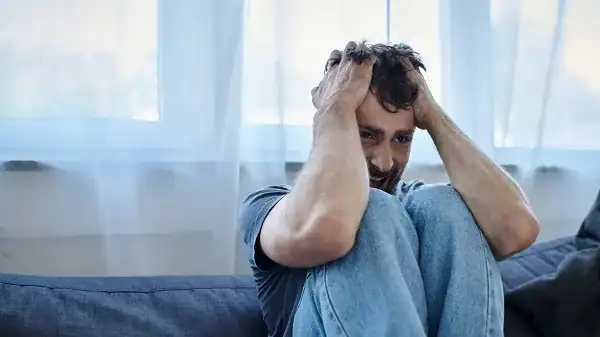
Even when nothing is happening at that moment, many people describe a feeling that their body simply cannot let go of the tension. Some jump at a slamming door or a passing motorcycle because, for a split second, it sounds like a siren. Others check where the safe room is almost without noticing whenever they arrive somewhere new, or avoid the news altogether because every headline sends their pulse racing. People who have come back from reserve duty often talk about how genuinely hard it is to return to a routine of work and family, even weeks after being released.
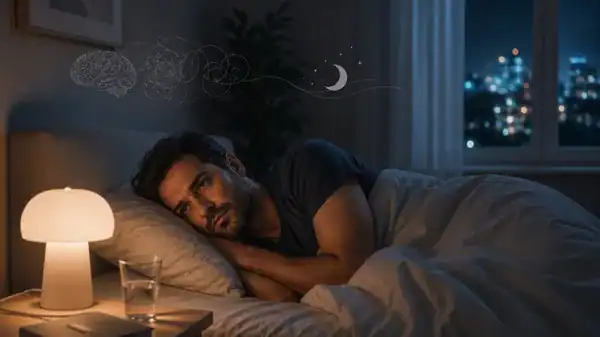
Many struggle to fall asleep, feel their heart beating faster, find it hard to concentrate, and sometimes lose the sense of calm they once took for granted. This is not something experienced only by people diagnosed with anxiety. Many people feel that being on alert has simply become part of their routine.
Our Children Feel What Is Happening Around Them Too
It is not only adults who are affected by this reality. Children are asking questions we were not used to hearing a few years ago:
- “What will happen if there’s a siren?”
- “What will happen if Dad goes back to reserve duty?”
- “Could it happen to us too?”
Even when they are not exposed to every newscast, children pick up on the atmosphere at home, their parents’ worry and the changes in their routine.
In some children, these feelings show up as a fear of being alone, trouble falling asleep, avoiding certain places, or a growing need for closeness and a sense of security.
What Can Parents Do?
Keep routines as stable as possible – regular bedtimes, and familiar frameworks and activities, tell a child that there is order and safety, even when the reality outside is less stable.
Talk at their level and in an age-appropriate way – answer questions honestly and simply, without overwhelming them with frightening details. A child who does not get an answer fills in the gaps with imagination, which is usually scarier than reality itself.
Acknowledge the feeling instead of dismissing it – phrases like “There’s nothing to be afraid of” can make a child feel misunderstood. It is better to say: “I understand this is scary. I’m here with you.”
Pay attention to what they are exposed to – it is a good idea to limit news, disturbing videos and adult conversations about the situation around children, and to choose when and how to update them.
It is important to remember that reactions like these do not necessarily point to a mental health problem. Often they are a natural response to a complicated reality. At the same time, when these feelings persist over time or begin to interfere with functioning, it is worth consulting a professional.
Not All Stress Is Anxiety
Stress is a natural mechanism designed to protect us. When there is real danger, the body responds quickly: the heart rate rises, the muscles tense, breathing changes and we are ready to act.
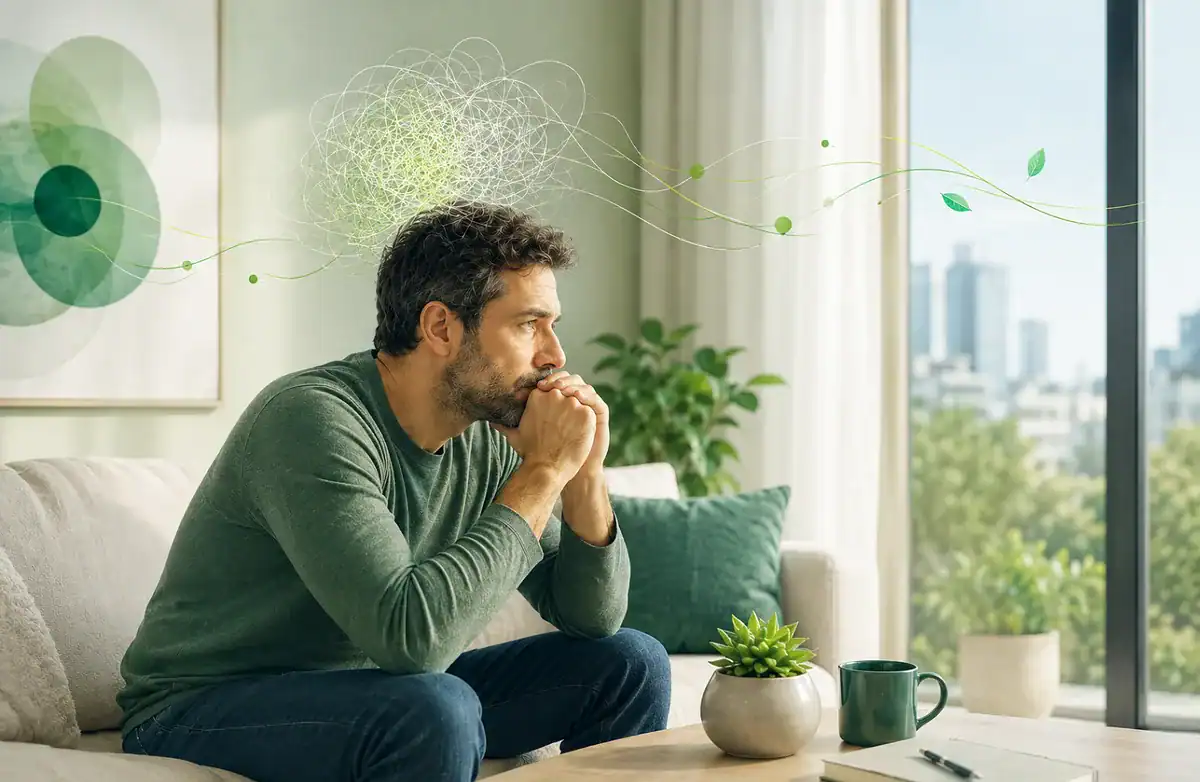
The problem begins when the body stays in this state for weeks or months. When the nervous system cannot return to a state of calm, people may experience fatigue, trouble sleeping, reduced concentration, restlessness, irritability, intrusive thoughts or a persistent sense of being on guard.
Not everyone who experiences prolonged stress has an anxiety disorder, but that stress can certainly affect quality of life as well as mental and physical health.
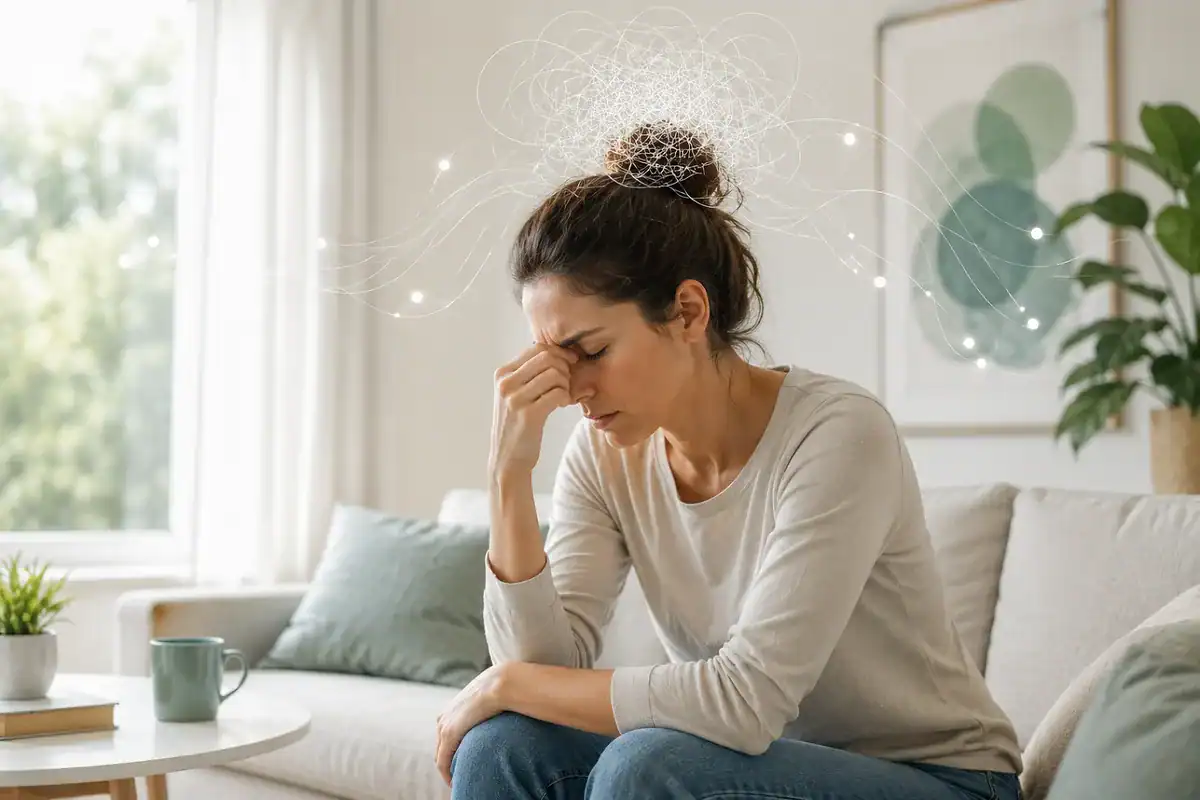
Why Is It So Hard to "Just Relax"?
Some of the most common things people hear from those around them are:
- “Don’t think about it.”
- “Calm down.”
- “Try to be positive.”
But anyone dealing with anxiety or constant hypervigilance knows it does not really work that way. When the nervous system is in a state of high arousal, it is very hard to simply decide to relax.
Just as you cannot decide that your heart will stop racing when you are afraid, you cannot always control the way your body reacts to stress.
That is why it is important to understand that the solution does not lie in willpower alone, but in understanding what the body is going through and choosing the right way to cope with the situation.
What Can We Actually Do to Help Ourselves?
There is no single solution that works for everyone, but there are several steps that can help with managing stress and anxiety.
Keep to a Routine as Much as Possible
Even in times of uncertainty, an organized daily routine, regular sleep hours, regular meals and daily activity give the brain a sense of stability and security.
Cut Down on Constant News Exposure
Staying informed is important, but there is no need to be plugged into updates nonstop. For many people, prolonged exposure to the news, social media and disturbing videos heightens anxiety.
Stay Active
Walking, exercise, hobbies, meeting friends or any activity that restores a sense of purpose and accomplishment may help reduce stress for some people. The goal is not to “run away” from the anxiety, but to let the brain focus on other things as well.
Talk About How You Feel
One of the most common mistakes is trying to cope alone. Talking with a family member, a close friend or a professional can sometimes significantly ease the sense of isolation and offer a different perspective on the situation.
Be Patient With Yourself
In difficult times, there is no need to expect yourself to function as if nothing has changed. Even if you feel more tired, more sensitive or find it harder to concentrate, it is important to remember that these are reactions many people can experience under prolonged stress.
When Should You Seek Professional Help?
If the sense of being on alert does not pass, if your sleep has been disrupted for a long time, if it is hard to function at work, at home or in your relationships, or if you feel that fear is starting to run your life, it is worth seeking a professional evaluation. There is no need to wait until things get worse.
Asking for help is not a sign of weakness, but of a wish to understand what you are going through and to choose the best way to cope with it.

Today There Is a Wide Range of Treatment Options
Treatment for anxiety and ongoing stress is tailored to each individual.
For some people, emotional or psychological therapy may be the right choice. Others may benefit from medication, as recommended by their physician. There are also other tools, such as breathing exercises, mindfulness, physical activity and lifestyle changes, that can be part of a broader coping plan.
In some cases, after a professional medical evaluation, newer treatments may also be considered, including SGB (Stellate Ganglion Block) treatment, which aims to help regulate overactivity of the sympathetic nervous system in suitable patients.
At Stella Center Israel, we believe there is no one-size-fits-all solution. That is why every patient undergoes a professional evaluation, with the goal of understanding the source of the symptoms and tailoring the treatment approach to the individual.
Even in Difficult Times, You Don't Have to Cope Alone
Life in Israel presents challenges none of us chose. But even within a complicated reality, it is important to remember that there is a difference between a natural stress response and a state in which being on alert becomes an inseparable part of life.
If you feel that your body cannot calm down, that your thoughts give you no rest, or that anxiety is affecting your quality of life, know that you are not alone.
Sometimes the first step is simply realizing that you don’t have to deal with this on your own.
Interested in treatment for yourself or a loved one?
Request a callback or call us