

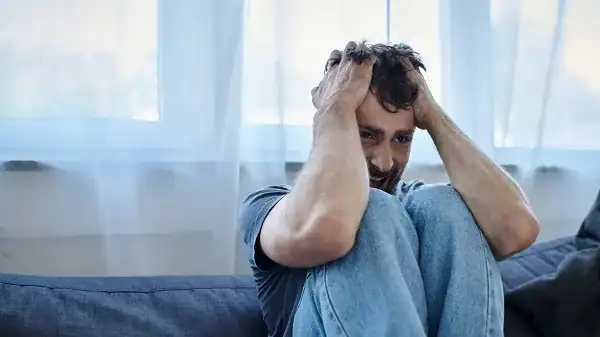
PTSD isn’t always dramatic, and it isn’t always visible.
In most cases, it is actually quiet. It creeps slowly into life, changing behavior, relationships and inner feelings, without anyone really noticing when it began.
In Israel in recent years, where tens of thousands of people are living with PTSD to varying degrees, the question is no longer whether it exists, but whether we know how to recognize it in time and treat it.
Sometimes people living with PTSD don’t realize it at first. They discover it over time, as they come to understand that there is a particular trigger that sets off the trauma for them again and again.
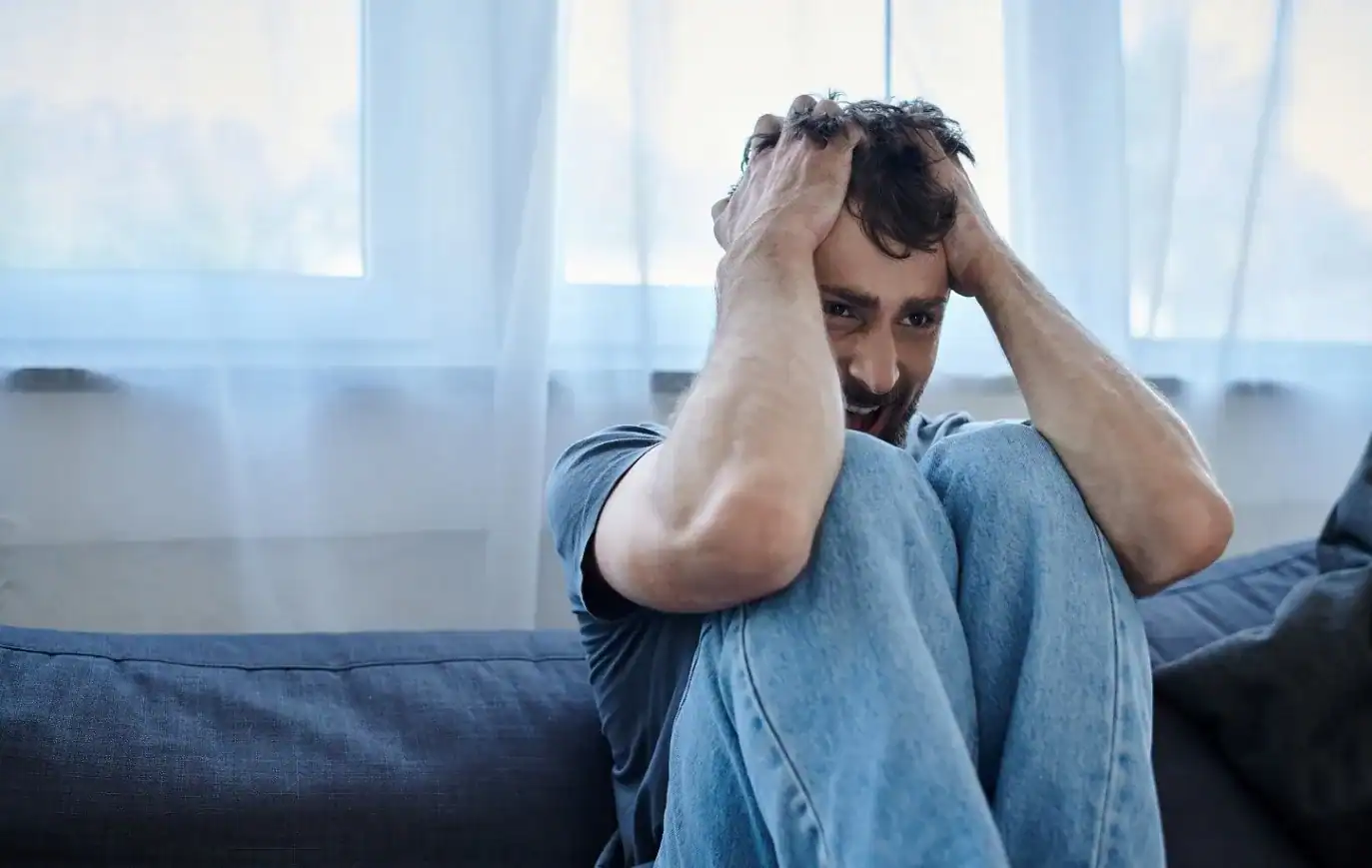
When Something Changes, but It's Hard to Say What
One of the most common features of PTSD is avoidance.
Not necessarily in a conscious way, and not always with a clear explanation.
A person who used to be sociable, active and present starts canceling plans, avoiding certain places, or just being “not up for it.” Sometimes this is read as unwillingness, fatigue or a change in personality, but in reality it is the brain’s attempt to protect itself from exposure to triggers that are reminders of the traumatic event.
The problem is that this avoidance doesn’t only protect; it also narrows life.
Emotional Detachment: When the Heart Starts to Drift Away
One of the hardest signs to recognize is precisely the one you can’t see: emotional detachment.
People describe a sense of distance, as if something inside them has “switched off.”
They find it hard to feel, to connect, to respond the way they used to. Things that once mattered no longer spark interest or emotion.
For those closest to them, this can be especially painful. Partners talk about feeling that the person they love is right beside them, but not truly present. The body is there, the routine is there, but the connection is gone.

And the Nights? They Offer No Rest
Very often, PTSD reveals itself precisely at night.
Trouble falling asleep, waking up in the middle of the night, nightmares or a sense of alertness that doesn’t allow the mind any real rest: all of these are part of the body’s response to trauma.
And when sleep suffers, it doesn’t stay in the night. Fatigue, tension and difficulty concentrating seep into the day, into work, into relationships and into the ability to handle even simple situations.
It's Not Just the Person: Those Around Them Are Affected Too
It’s important to understand that PTSD doesn’t happen in a vacuum.
It affects everyone around the person.
Partners, children, parents and friends find themselves trying to understand what is happening, how to respond, and how not to “make things worse.” Sometimes there is a feeling of walking on eggshells, an effort to avoid conflict, or ongoing confusion about the right way to handle things.
More than once, they too become worn down over time, emotionally and mentally.
Why Doesn't It Just "Pass With Time"?
One common belief is that, with time, things will sort themselves out.
But with PTSD, it doesn’t always work that way.
When the brain experiences trauma, it can get “stuck” in survival mode. The body keeps reacting as if the threat still exists, even when it is no longer actually there. Without appropriate treatment, this mechanism can keep running over time and even grow stronger.
It isn’t a matter of willpower, and it isn’t a matter of character.
It is a real physiological mechanism.

Is There Something You Can Do? Today More Than Ever...
The important news is that today there is a deeper understanding of PTSD, along with more advanced tools for dealing with it.
Alongside traditional psychological therapies, there are innovative approaches that focus on the nervous system and the body’s response to trauma. In many cases, these treatments can bring about meaningful change in less time than was once typical.
The key point is not necessarily which treatment to choose, but understanding that you don’t have to stay alone with this.
When Is It Time to Stop and Check?
Over the years, we at Stella Center Israel have noticed that when these signs persist over time, when there is a sense that something has changed deeply, and when it starts to affect quality of life, that is the moment to stop. Not to put a label on it, but to understand.
Not out of fear, but out of a desire to make things better.
Sometimes, simply acknowledging that there is something here that needs attention is the first and most important step toward change.

PTSD doesn’t always shout.
Sometimes it simply changes life from the inside.
But precisely because of that, it’s important to know how to recognize it: to understand the signs, to pay attention to ourselves and to those close to us, and not to ignore feelings that seem “not like before.”
It may be undiagnosed PTSD.
And the next step, even the smallest one, can also be the most meaningful.
A treatment suitability questionnaire is available to you. Click to go to it.
For details and to schedule an appointment, leave your details for a callback or call us at 073-332-9259
Interested in treatment for yourself or a loved one?
Leave your details for a callback or call us