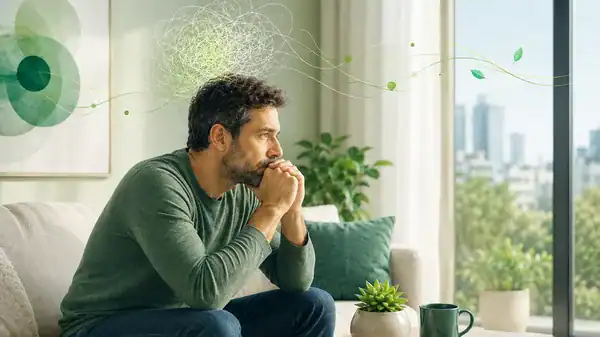
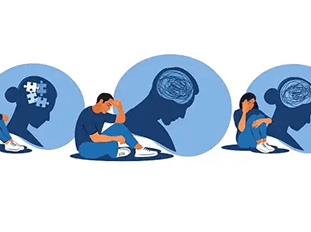
Anxiety is the body’s natural response to stress, but when it persists or reaches high intensity, it can take a toll on quality of life and cause ongoing distress. Anxiety disorders are among the most common mental health conditions, affecting children, teens and adults alike.

What Is the Difference Between Everyday Anxiety and an Anxiety Disorder?
Everyone experiences stress and anxiety at some point in life, for example before an important exam, a job interview or a major event. But when anxiety becomes chronic, interferes with daily functioning and keeps a person from doing things they would otherwise do without a problem, it is an anxiety disorder that calls for professional treatment.
Common Types of Anxiety Disorders:
Anxiety disorders fall into several main types, each with its own distinct features:
- Generalized anxiety disorder (GAD): persistent, non-specific anxiety accompanied by constant, uncontrollable worry.
- Panic disorder: sudden attacks of intense fear with physical symptoms such as a racing heart, shortness of breath and dizziness.
- Post-traumatic stress disorder (PTSD): a psychological response to a traumatic event that causes flashbacks, hyperarousal and feelings of distress. Click here for more information on PTSD
- Social anxiety: an intense fear of being judged negatively by others and of social situations, which can lead to avoiding them.
- Specific phobias: an irrational, exaggerated fear of certain objects or situations, such as flying, heights or enclosed spaces.
- Obsessive-compulsive disorder (OCD): intrusive thoughts that cause great distress and trigger an urge to perform compulsive actions to relieve the anxiety.
What Causes Anxiety to Develop?
Anxiety disorders are caused by a combination of physiological, psychological and environmental factors:
Heredity and genetics: research shows that a tendency toward anxiety may be inherited.
Life experiences and trauma: difficult past events, such as an injury, an accident or negative emotional experiences, can lead to anxiety. It is important to emphasize that not everyone who experiences trauma will develop anxiety.
Brain chemistry: an imbalance in neurotransmitter levels (such as serotonin and norepinephrine) may affect feelings of stress and anxiety.
Environmental factors: chronic stress, a heavy workload, financial strain or a lack of social support can worsen anxiety symptoms. Lifestyle factors, such as lack of physical activity and poor nutrition, can also contribute to anxiety.
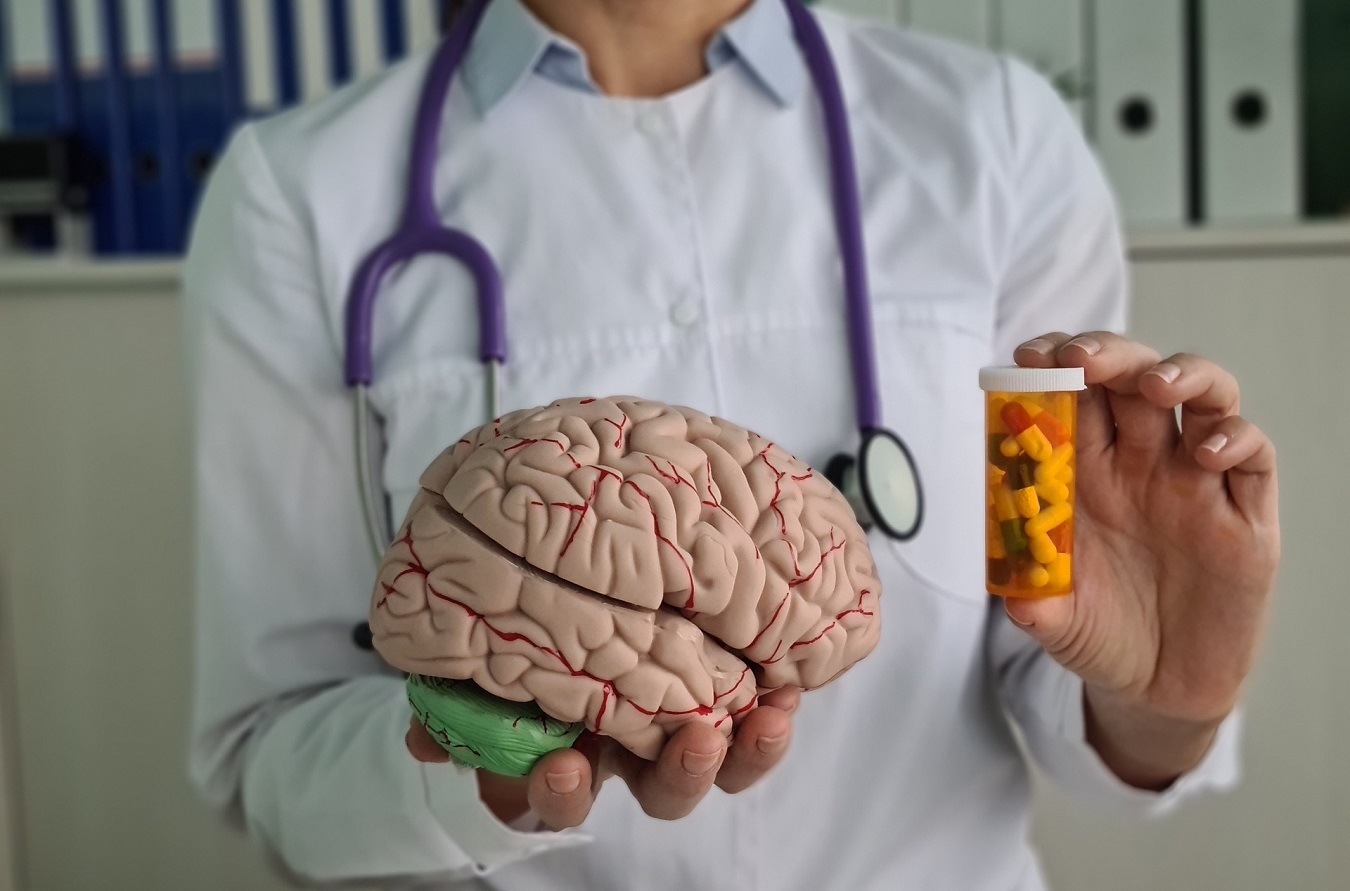
What Happens in the Brain During Anxiety?
When a person experiences anxiety, the sympathetic nervous system is activated and puts the body into “fight or flight” mode. This process releases stress hormones such as adrenaline and cortisol, which speed up the heart rate, heighten the body’s alertness and cause feelings of restlessness. Over the long term, chronic anxiety can lead to changes in the brain’s structure and function.
What Are the Symptoms of Anxiety Disorders?
How can you tell whether a loved one is suffering from anxiety or PTSD? Anxiety has physical symptoms as well as psychological and behavioral ones. Let’s look at the differences:
Physical Symptoms of Anxiety: What Does the Body Feel?
When a person has an anxiety attack, the body goes into a state of heightened alertness as the sympathetic nervous system is activated. This process leads to physical symptoms that can be very distressing and can even make people think they are having a serious medical problem, such as a heart attack.
Examples of common physical symptoms of anxiety:
- Rapid heartbeat (tachycardia): the heart starts beating fast, which sometimes feels like “pounding in the chest.”
- Shortness of breath: a feeling of not getting enough air or trouble breathing deeply, which sometimes leads to hyperventilation (rapid breathing).
- Excessive sweating: mainly on the palms, in the armpits or in other areas of the body, regardless of the outside temperature.
- Trembling or numbness: a slight tremor in the hands, tingling, or a feeling of an “electric current” in the fingers.
- Chest pressure: a feeling of tightness or heaviness in the chest, sometimes with mild pain resembling a heart attack.
- Dizziness or unsteadiness: a feeling of general weakness, confusion, or fear of losing control and fainting.
- Dry mouth and difficulty swallowing: the body enters a state of extreme tension, which affects saliva production and creates a “dry throat” feeling.
- Stomach pain or digestive problems: anxiety can cause nausea, diarrhea, stomach pain and cramps.
- Muscle tension and chronic pain: a feeling of tightness in the muscles, especially in the shoulders, neck or jaw.
- Extreme cold or heat in the body: some people experience sudden hot flashes, while others feel intense cold, even in a warm environment.
Psychological and Behavioral Symptoms of Anxiety: What Is the Mind Thinking?
Beyond its physical effects, anxiety also affects the way a person thinks, feels and acts. People with anxiety may get stuck in loops of worry, avoid certain situations or feel emotionally overwhelmed.
Examples of common psychological and behavioral symptoms of anxiety:
- Excessive worry: recurring thoughts about future events with extreme, pessimistic scenarios. For example, a person may think over and over: “What if I fail?” or “What if something bad happens to my family?”
- Irrational fear: illogical fears that lead to avoiding everyday activities. For example, being afraid to leave the house for fear of losing control or ending up in an uncomfortable situation.
- Feeling detached from reality (depersonalization and derealization): people have a strange feeling as if they are “watching themselves from the outside” or that the world around them is not real.
- Impaired memory and concentration: anxious thoughts and a “survival” state impair cognitive abilities and cause repeated distraction, making it hard to carry out complex tasks such as reading, working or talking with others.
- Oversensitivity and emotional vulnerability: moods shift quickly, and people react with irritability or intense frustration to everyday situations.
- Fear of losing control or going crazy: people with anxiety may fear they are about to “lose it” or go crazy, especially during a severe anxiety attack.
- Avoiding activities: a person with social anxiety, for example, may avoid family or social events for fear of a negative reaction from others.
- Sleep problems: trouble falling asleep, waking up often during the night or recurring nightmares. Intrusive thoughts can keep a person from falling asleep and lead to chronic fatigue.
- Aggression or irritability: some people respond to anxiety with impatience, irritability or even uncontrollable outbursts of anger.

How Is Anxiety Treated?
Anxiety treatment falls into several main approaches:
Psychological Treatment
- Cognitive behavioral therapy (CBT): one of the most effective methods for treating anxiety, which involves identifying negative thought and behavior patterns and changing the patient’s responses.
- Psychodynamic therapy: focuses on uncovering the unconscious emotional factors that cause anxiety.
- Relaxation and mindfulness techniques: guided imagery, deep breathing and meditation can help with calming down.
Medication
- SSRI medications: act on serotonin reuptake to raise serotonin levels in the brain (for example Prozac, Lustral, Cipralex).
- SNRI medications: affect serotonin and norepinephrine levels (for example Efexor, Miro).
- Sedatives (benzodiazepines): given for short periods in severe anxiety, but they should be used with caution because of the risk of dependence.
Advanced Medical Treatment: The Stella Israel Solution
Stella Israel offers an innovative, groundbreaking medical treatment designed for people living with anxiety disorders and PTSD.
The treatment involves injecting a common, temporary local anesthetic along the pathway of the sympathetic nervous system (the system responsible for the physical symptoms described above, also known as the “fight or flight” system).
The treatment is designed to reduce the physical symptoms of anxiety and bring the patient relief quickly, without the need for ongoing medication. It is an innovative approach with proven results, performed by a certified medical team. Treatment takes place at Stella Israel’s clinic at 10 Zarhin St., Ra’anana, Building A, 3rd floor.

Why Choose Treatment at Stella Israel?
✔️ Proven clinical effectiveness – many patients report significant improvement within a short time.
✔️ A short, safe procedure – the treatment is performed in two short sessions with no significant side effects.
✔️ A significant improvement in quality of life – especially suitable for people living with persistent anxiety or PTSD.
When Do You Feel the Effects of the Treatment?
The time it takes to feel improvement varies from patient to patient. Some patients feel relief right after the first treatment, while for others the effect is gradual and builds over time. The data show that combining advanced medical treatment with psychological support produces the best long-term results.
Can an Anxiety Disorder Come Back?
Anxiety can be temporary or chronic. The right combination of medical and psychological treatment helps reduce the risk of the disorder recurring (relapse) and gives the patient tools for coping with stressful situations in the future.
Anxiety is a common problem, but there are many ways to treat it. Stella Israel offers an innovative approach to anxiety treatment that brings significant relief to people living with anxiety disorders and PTSD. If you or someone you love is experiencing anxiety that affects daily life, contact the Stella Israel experts today for a consultation and a personalized treatment plan.
Don’t hesitate to reach out to a qualified professional to start on the road to recovery. We at Stella Israel are here for you with any question, leave your details and we’ll get back to you, or call us