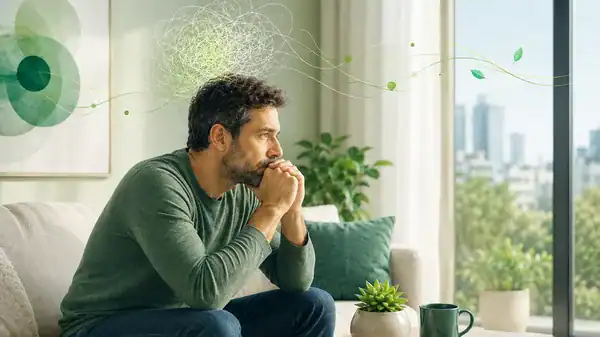


Anxiety is a natural response to stress, but when it becomes disproportionately intense or persistent, it can significantly affect our daily lives. Recognizing the symptoms is essential for seeking professional help and coping with the disorder.
Anxiety disorders are not rare. In fact, the US National Institute of Mental Health reports that about 19.1% of adults in the United States had an anxiety disorder in the past year. Anxiety disorders were more common among women than men. Nearly 1/3 of the population will experience, or has experienced, an anxiety disorder at some point in their lives.
The word anxiety covers several different forms: social anxiety disorder, abandonment anxiety, phobias, and the most common of all, generalized anxiety disorder (GAD). Each of these can lead to symptoms that significantly affect our quality of life.

Many people can experience symptoms without an anxiety diagnosis. People often experience more than one anxiety disorder. If these symptoms persist, they can have a major impact on us. Anxiety disorders can appear at any point in life, either on their own or as a result of another mental health challenge, such as post-traumatic stress. Although there can be more, in practice mental health experts highlight the 8 most common symptoms of anxiety listed below.
The List of Symptoms
What are the 8 most common symptoms of anxiety disorders?
1. Restlessness
Restlessness usually refers to our inability to sit comfortably and relax when we’re anxious. Restlessness can lead to other anxiety symptoms, such as difficulty concentrating and worry. It can also cause sleep problems, which can have a profound effect on both mental and physical health.
2. Persistent Fear and Worry
This is often one of the first symptoms a mental health professional addresses during an assessment or session. Fears and worries can revolve around ourselves, our friends and our loved ones. They arise frequently and tend to grow longer and more intense when a situation is beyond our control.
3. Anxiety/Panic Attacks
During an anxiety attack, we may feel as though we’ve lost control of ourselves or fear that we are going to die. It is often accompanied by symptoms such as chest pain, a racing heart, trembling, hot flashes or chills, a choking sensation and other physical symptoms. Sometimes these attacks happen after encountering a specific trigger, and sometimes they happen with no apparent cause.
4. Difficulty Concentrating
The mental, cognitive side of anxiety also impairs concentration, because an anxious person worries all the time, which drains resources that are critical for thinking. Beyond that, the body’s “fight or flight” response is activated when we experience anxiety. When this response stays active over time, the body diverts resources and energy to sustain it, which leads to physical and mental shortfalls in our cognitive systems, such as the ability to concentrate and think.
5. Fatigue/Exhaustion
A lasting sense of burnout, tiredness and exhaustion often comes with the territory of anxiety. Stress hormones such as cortisol flood the body, which leads to increased fatigue over time. Fatigue can also stem from the other symptoms we experience, such as difficulty concentrating and lack of sleep.
6. Obsessions/Compulsions
While anxiety and obsessive-compulsive disorder (OCD) are different mental health challenges, we may develop symptoms that behave in ways that look similar to OCD. For example, we might check the locks several times before leaving the house in response to the hypervigilance that can come with anxiety. In addition, people with OCD and/or anxiety can suffer from relentless intrusive, disturbing thoughts (connected to constant worry and apprehension).
7. Agitation
Words like restlessness, discomfort and tension usually describe agitation. Agitation can build up to the point where we become short-tempered or constantly irritable. Untreated trauma/anxiety can contribute to aggressive or harmful behavior toward ourselves or others.
8. Sleep Problems
When we are in a state of anxiety, our body may be “on edge” and our mind may be constantly worrying. This can disrupt our sleep patterns. Intrusive thoughts and the stress hormone cortisol can keep us awake long past what our body needs. Lack of sleep can worsen anxiety symptoms and lead to other mental and physical health challenges.
Treating Anxiety Symptoms with SGB
Stella’s treatment is backed by dozens of clinical studies and is called SGB (Stellate Ganglion Block): a short procedure that targets the neural and physical changes in the “fight or flight” system that occur in the patient’s body as a result of trauma or anxiety. The treatment is a medical procedure in which a local anesthetic is injected into a bundle of nerves in the neck, guided by imaging (ultrasound) for maximum precision and effectiveness. For more information, contact us or visit the FAQ section of our website.
Interested in treatment for yourself or someone you love?
Request a callback or call us