
On the journey of coping with mental health challenges, many of us look for an answer that will restore a sense of control and calm to our lives. For anxiety, depression and post-traumatic stress disorder (PTSD), the traditional approach usually focuses on medication or psychological therapy. However, a growing understanding in medicine points to the crucial role of nervous system balance as an essential part of the recovery process. So how does our nervous system affect our mental state, and why is it important to look for solutions that address the physiological root of the problem?
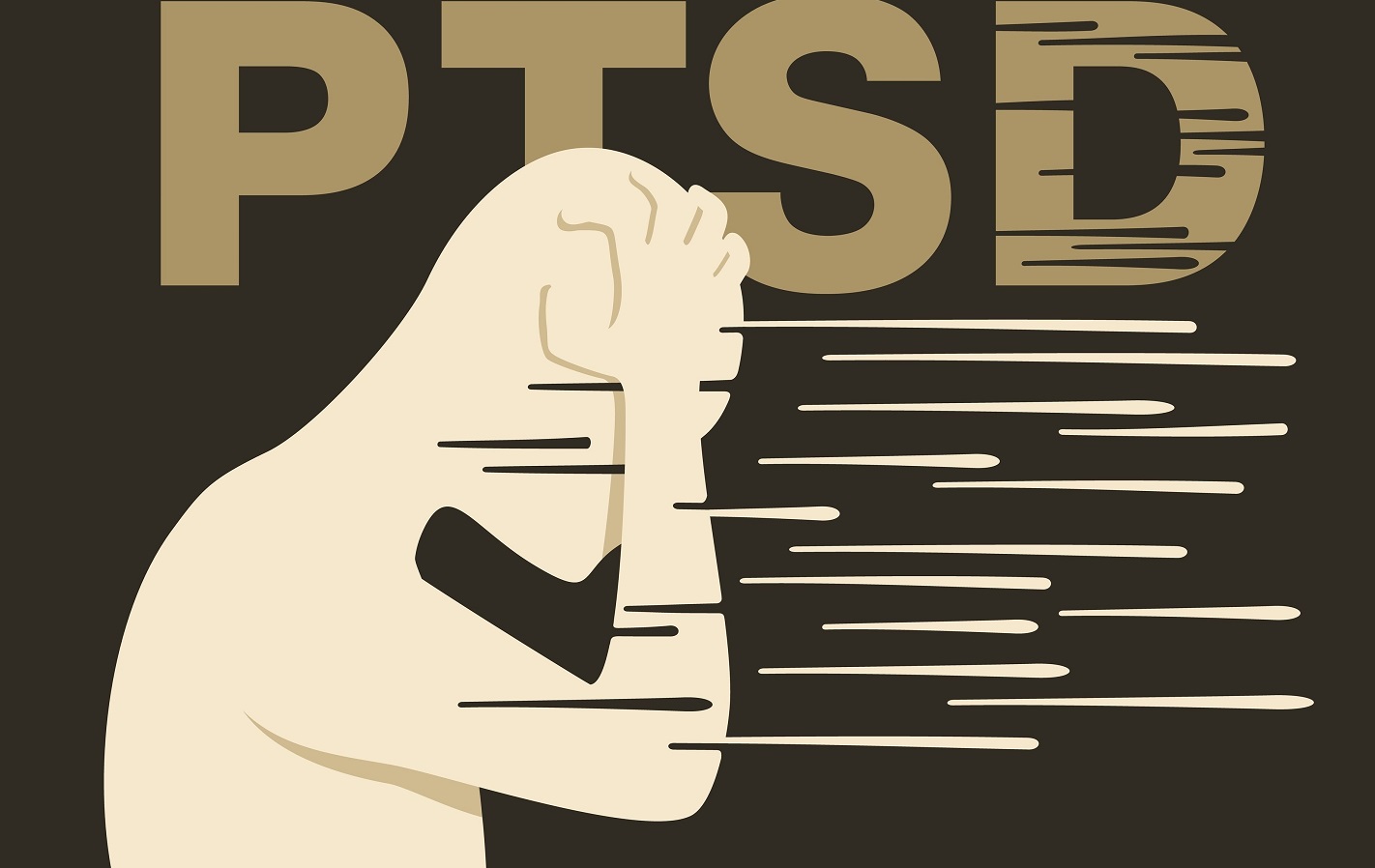
Anxiety, Depression and PTSD: It's Not Just in Your Head
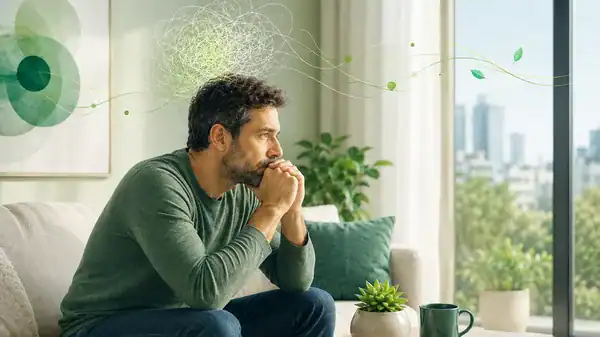
When we talk about anxiety, depression and PTSD, it is important to understand that these are not just feelings or a “bad mood.” They are conditions that involve complex physiological and chemical changes in the body, especially in the nervous system. The symptoms people experience are an expression of this imbalance:
- Symptoms of anxiety: Beyond excessive worry and fear, anxiety can show up physically as a racing heart, shortness of breath, dizziness, headaches, muscle tension, trembling, sweating and trouble sleeping. Intrusive thoughts and difficulty concentrating are also common.
- Symptoms of depression: Depression is characterized by feelings of deep sadness, loss of interest and pleasure in activities, chronic fatigue, changes in appetite and sleep (too much or too little), feelings of worthlessness and guilt, difficulty concentrating, and sometimes suicidal thoughts.
- Symptoms of PTSD: These include typical trauma responses, such as:
- Re-experiencing: vivid flashbacks, nightmares or uncontrollable intrusive thoughts about the traumatic event.
- Avoidance: a deliberate or unconscious attempt to avoid places, people, thoughts or activities that are reminders of the trauma.
- Negative changes in thoughts and emotions: emotional numbness, loss of interest in activities that used to be enjoyable, a sense of detachment from one’s surroundings, negative thoughts about oneself or the world, and difficulty experiencing positive emotions.
- Hyperarousal: trouble sleeping, irritability, an exaggerated startle response, hypervigilance and a constant sense of danger.
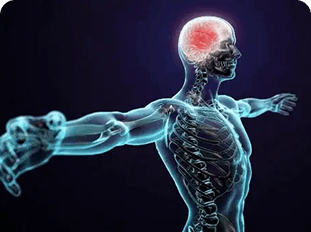
What links all of these is overactivity of the sympathetic nervous system, a branch of the autonomic nervous system (which operates without our conscious control). When this system is stuck in a constant state of hyperarousal because of trauma or chronic stress, it disrupts the nervous system’s balance and leads to the symptoms described above.

Existing Treatments and the Need for a Broader Approach
While conventional treatments offer an important answer, it is worth recognizing the range of options available and some of their limitations:
- Medication: antidepressants and anti-anxiety medications can ease symptoms and help restore chemical balance in the brain. However, they do not always resolve the root of the problem, may cause side effects, and require adjustment and long-term use.
- Psychotherapy (talk therapy): approaches such as cognitive behavioral therapy (CBT), EMDR, exposure therapy and others help patients process traumatic experiences, develop coping tools, and change patterns of thinking and behavior. These treatments require time and commitment, and can be long, demanding processes.
- Complementary therapies: yoga, meditation, mindfulness, exercise and proper nutrition can help reduce stress and improve quality of life, but they usually do not provide an adequate solution for severe conditions.
While each of these treatments has value, in cases of chronic stress and persistent post-traumatic stress disorder, where the nervous system is deeply out of balance, there is a need for an approach that directly targets physiological balance.
SGB: An Innovative Treatment That Restores Nervous System Balance
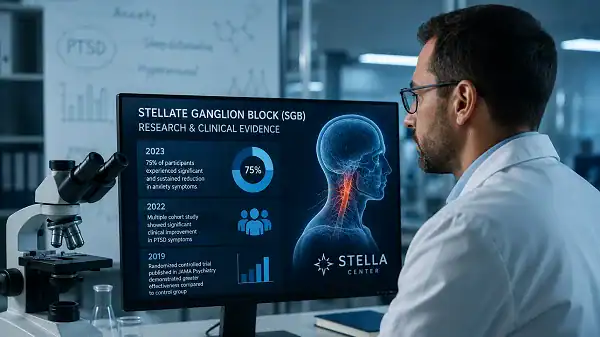
This is where SGB (Stellate Ganglion Block) comes in: an innovative approach that focuses on rebalancing the autonomic nervous system. The treatment acts directly on the source of the body’s physiological response to trauma and stress:
How does it work? SGB is a simple, safe medical procedure performed by a specialist physician. It involves a precise, ultrasound-guided injection of a temporary local anesthetic at two points in the neck. These points are part of the sympathetic nervous system, which is responsible for the body’s “fight or flight” response and does not function properly in people suffering from trauma and chronic anxiety.
The unique advantage: unlike treatments that focus on symptoms or cognitive processes, SGB works at the biological level, allows for rapid relief (usually within a few days), and lays the groundwork for long-term healing and recovery. It is a medication-free treatment for anxiety, in the sense that it involves no systemic drug therapy, and it offers a targeted, effective solution for nervous system imbalance.
The Path to Balance and a Full Life
Understanding that anxiety, depression and PTSD are not only a “mental state” but also an expression of nervous system imbalance opens the door to innovative, effective treatment approaches. SGB, combined with professional support and a balanced lifestyle, offers real hope to anyone seeking fast, meaningful relief.
Interested in treatment for yourself or someone you love?
Leave your details for a callback or call us